
The commitment is not to the choice.
It is to yourself.
And it can be chosen again and again — as many times as it needs to be.
Most people think of deciding as a one-time event. You weigh the options, you choose, and then you are committed to that choice — perhaps forever, or at least until something clearly forces a change. Seen this way, every decision carries an enormous weight. Because if you are wrong, you are stuck with it. And if you are not certain, you are not ready. And since certainty rarely comes cleanly, many people find themselves in a permanent state of almost-deciding — suspended, waiting, using more energy to stay still than it would take to move in any direction.
But this is not what deciding actually means. A decision is not a life sentence. It is not a contract that cannot be revised. It is the best available direction from where you currently stand — chosen with what you currently sense, what you currently know, what currently feels most aligned with who you are. And when things change, when you learn more, when your sensing tells you something different — you choose again. This is not inconsistency. It is how genuine decision-making works.
The commitment that actually matters
The deeper question is not what you decide, but what makes deciding feel possible at all. Because some people move through decisions with relative ease — not because they are more certain, not because they have better information, not because their choices are lower stakes. But because underneath any particular decision, there is something they trust. A net. A sense that if this goes wrong, something will catch them.
For some, that net is external — a family that would help, friends who would show up, a community that holds people through difficulty. For others it is internal — resilience built through past experience, a quiet confidence that they have survived hard things before and will again. The form varies. But what these people share is a belief, often unconscious, that they are catchable. That the world does not end when things go wrong. That they will land somewhere.
And here is what is important to understand about those people: they did not choose to trust themselves through an act of will. Most of them simply grew up in an environment where that trust was built naturally. They were caught when they fell. They saw that mistakes were survivable. They absorbed, without ever having to think about it, the knowledge that there is ground below. For them, the commitment to themselves does not feel like a commitment at all. It is simply how things are.

For those who can decide freely, the safety net is not a strategy. It is something they absorbed long before they were old enough to name it.
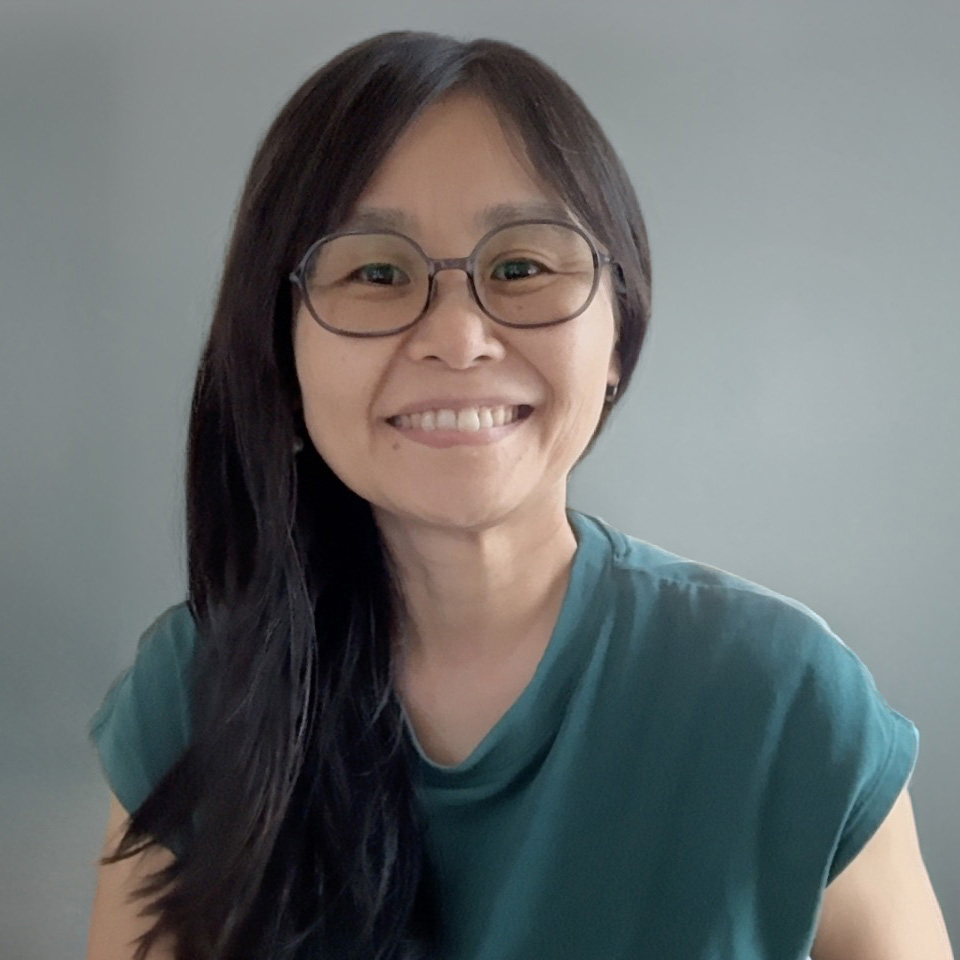
Kaeko, Somatic Clarity
What stops the others
For those who did not grow up with that — whose falls were not reliably caught, or came with conditions, or who learned early that depending on others was risky — the absence of a net is not a feeling. It is a belief. A deep, unexamined conviction that if things go wrong, there will be nothing to catch them. No one to call. No ground below.
This is why some people stay suspended. It is not that they lack clarity, or courage, or the ability to reason through a decision. It is that every choice feels like stepping off a ledge into the unknown. And if you genuinely believe there is nothing below, staying on the ledge is the only rational option. The suspension is not weakness. It is the result of a belief that has never been directly examined — or directly challenged.
It does not matter where that belief came from. A difficult family environment. An early experience of abandonment. A time when something went badly wrong and no one came. The origin explains, but it does not determine. The belief was formed in a particular context. That context is not permanent. And the belief does not have to be either.
The choice that makes all other choices possible
This is where 覚悟を決める finds its real meaning. Not a heroic oath. Not a performance of certainty. Not a commitment to a particular outcome. Something much more fundamental — and much more available — than any of those.
It is the decision to be your own net.
Not because no one else will be there — some people will, and that matters. But because this particular commitment — I will be there for myself, no matter what happens — is the one that cannot be outsourced. It is the one that, once made, changes the ground beneath every other decision. Because deciding into a void is terrifying. But deciding when you know — truly know — that you will not abandon yourself, whatever comes? That is different. That is possible.
I will be there for myself, no matter what.
Not as a recitation. Not as a hope.
As a choice — made consciously, made fully, made again every time it needs to be made.
It does not matter how you got here
If this commitment was not built into you naturally — if you did not absorb it as a child, if no one modelled it for you, if the environment you grew up in taught you the opposite — it does not matter. The origin is not the destination. What was not given can be chosen. What was not built can be built. Not through willpower or positive thinking, but through a genuine, conscious, repeated decision to show up for yourself — to be the net, to be the ground, to be the thing that catches you.
This is not a lesser version of the natural trust that some people carry. In some ways it is more complete — because it was chosen, not just inherited. Because it was earned, through the willingness to look at what was missing and decide to provide it yourself. Because it is, in the fullest sense, yours.
And it can be chosen again. Every time life brings you to a ledge. Every time the old belief says there is nothing below. Every time the fear rises and the suspension feels safer than moving. You do not have to have solved it permanently. You just have to choose again, from here, now.
That is what deciding actually means. Not once, and not perfectly. But genuinely, and as many times as it takes.